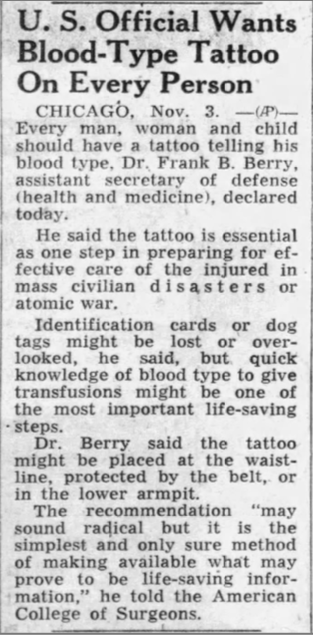
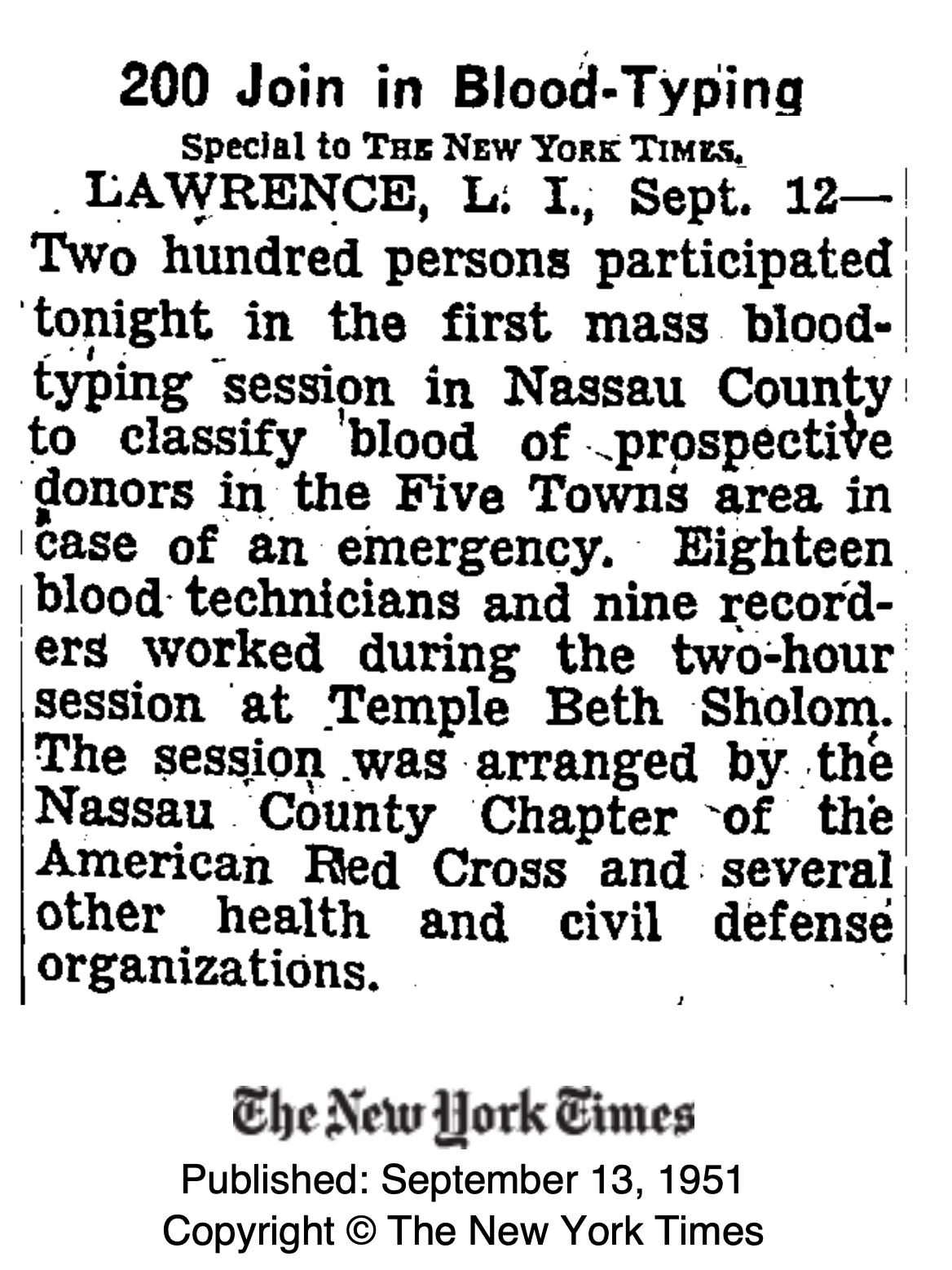
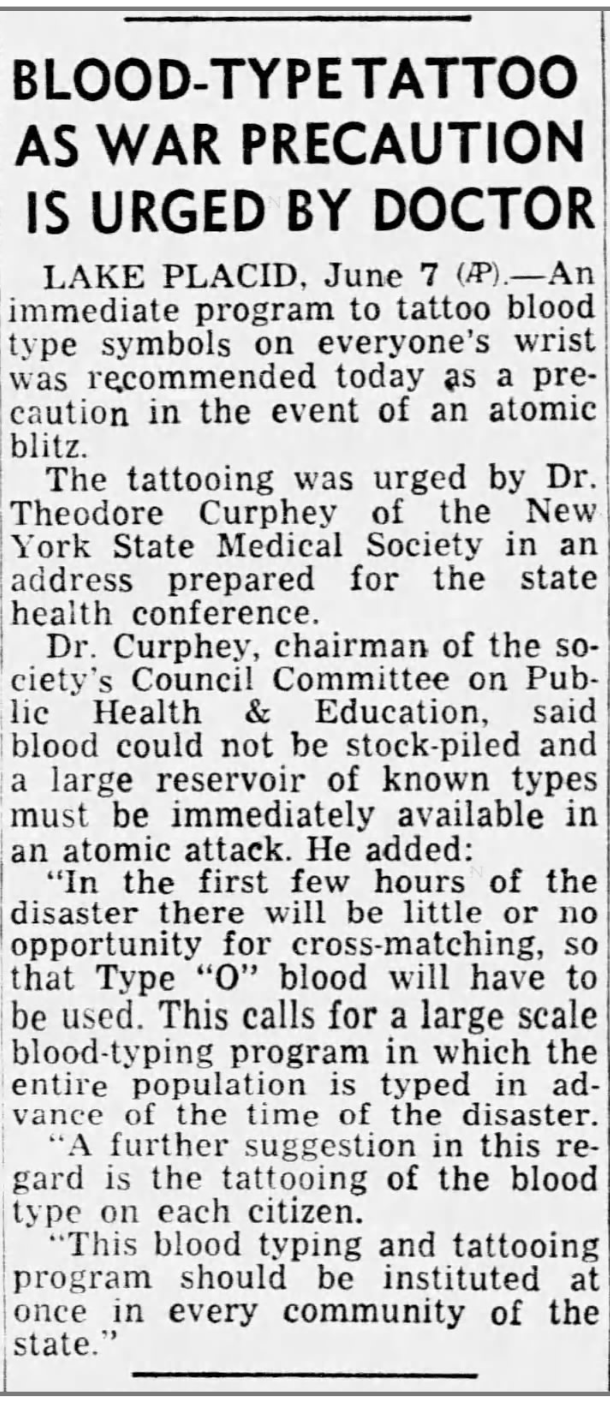
Inked by Faith is a multi-episode documentary podcast series examining Operation Tat-Type, a little-known Cold War civil defense program that operated in the United States between 1950 and 1953. During this period, thousands of American civilians—including elementary school children—were blood-typed and tattooed with their blood types as part of emergency preparedness efforts intended to speed transfusions after a nuclear attack.
The program unfolded not at the margins of society, but in its most familiar places: schools, churches, county fairs, and Rotary Clubs. It took place across multiple states, including Utah, Michigan, Indiana, and others. Despite its scale and ambition, Operation Tat-Type has received little sustained public or scholarly attention.
Yet the program raises enduring questions:
What counts as meaningful consent during a national emergency?
How do religious, medical, and civic authorities reinforce one another in moments of crisis?
And what happens when extraordinary measures become so normalized that they later vanish from collective memory?
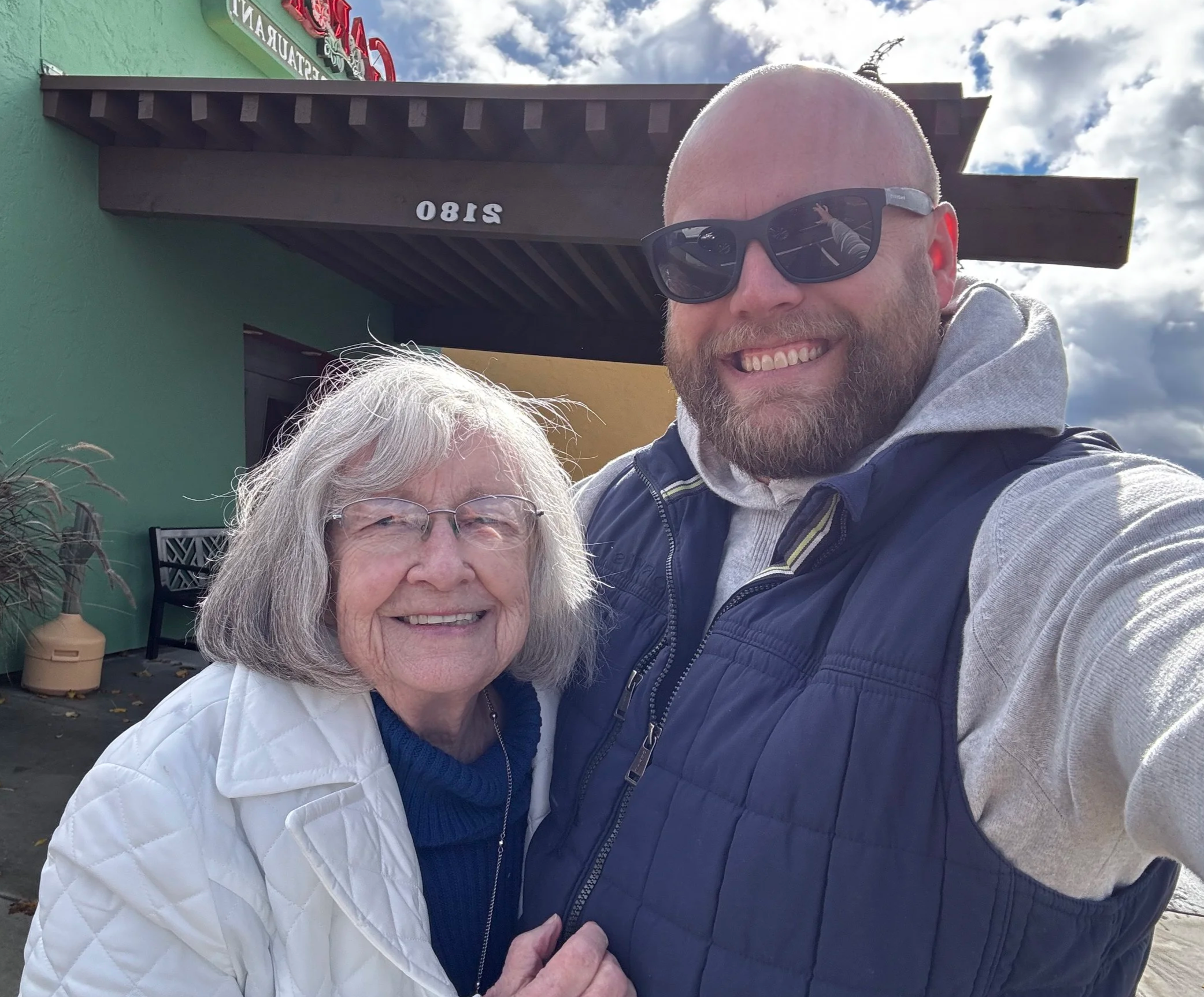
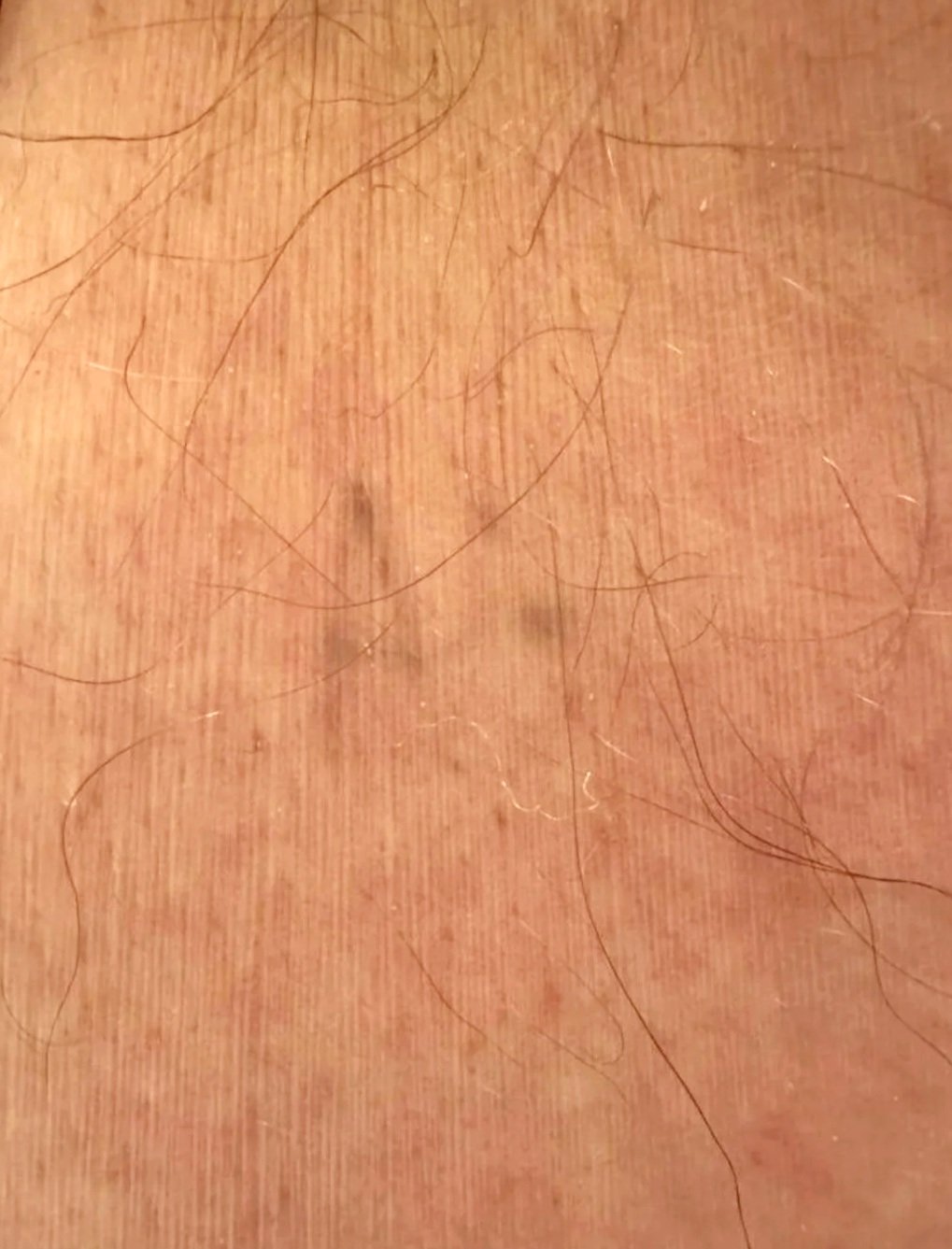
The project begins with a personal entry point. In the early 1950s, Nancy Hillyard (née Traveler)—the grandmother of host Tyler Gibb—was tattooed in Cache County, Utah, along with thousands of others in her community. For her generation, the practice was ordinary; a small, unremarkable act of civic duty. Tyler did not learn about the tattoo until a casual family conversation in 2021, decades after the program itself had quietly disappeared from public awareness.
Rather than focusing on secrecy or conspiracy, Inked by Faith explores something more unsettling and more familiar: how democratic societies collectively normalized permanent bodily interventions, including on children; how people participated willingly and in good faith; and how entire communities later forgot what once seemed obvious, necessary, and right.
This project gathers oral histories, family stories, photographs, and archival materials to understand not only what happened, but how it felt—and what it tells us about authority, trust, and memory in times of fear.